
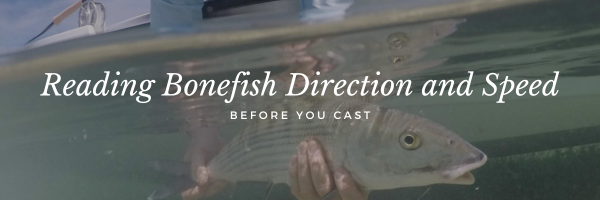
One of the biggest differences between average anglers and consistently successful ones on the flats comes down to a simple skill: reading the fish before you cast.
It is not just about spotting a bonefish. It is about understanding where it is going, how fast it is moving, and how it is likely to react. If you can figure that out before your fly ever touches the water, your odds of getting an eat go way up.
At East End Lodge, this is something our guides emphasize every day. A well-placed cast is rarely about distance. It is about timing and positioning. And both depend on reading the fish correctly.
Why Direction and Speed Matter
Bonefish are almost always moving with purpose. They are either feeding, cruising, or transitioning between areas.
If you cast without understanding their direction and speed, you are guessing. That usually leads to one of two outcomes:
- The fly lands too close and spooks the fish
- The fly lands too far away and never gets noticed
When you read the fish properly, you can place the fly exactly where it needs to be so the fish naturally encounters it.
Identify the Direction First
Before you think about casting, take a second to confirm the fish’s path.
Look at the head, not the tail. Bonefish can change direction subtly, and their body position will tell you more than their wake. Watch for steady movement and try to project where the fish will be in a few seconds.
If the fish is weaving or changing direction frequently, hold off on casting until it settles into a more predictable line.
Understand the Speed of the Fish
Not all bonefish move at the same pace.
Some cruise slowly, giving you more time to plan your shot. Others move quickly, especially in shallow water or when competing with other fish.
Speed determines how far ahead you need to place your fly. A slow-moving fish may only require a short lead. A faster fish will need more space so it can track the fly naturally.
Match Your Lead to the Situation
Once you understand direction and speed, you can decide where to place your fly.
- Slow fish: Lead by a few feet and let the fly settle
- Moderate speed: Increase your lead and be ready to start your retrieve sooner
- Fast-moving fish: Lead further ahead and focus on getting the fly down quickly
The goal is always the same. You want the fish to encounter the fly without being startled by it.
Watch for Changes in Behavior
Bonefish rarely move in a straight, consistent line for long.
They may slow down, speed up, or change direction when they see something interesting. These changes are often your best opportunity.
If a fish tips down slightly or shifts its angle, it is likely feeding or becoming interested. This is when precise placement and minimal movement can make the difference.
Avoid Rushing the Shot
One of the most common mistakes is casting too quickly.
When a fish appears, it is easy to panic and throw the fly without thinking. But a rushed cast often leads to poor placement and missed chances.
Take a breath, confirm direction and speed, and then make your move. A one-second pause can dramatically improve your odds.
Use Your Guide as a Second Set of Eyes
At East End Lodge, your guide is constantly reading the water and the fish.
When they call out direction and distance, they are helping you line up the shot. If you are unsure, communicate. Ask for clarification. The more you work together, the better your timing and placement will be.
Practice Predicting Movement
This skill improves with repetition.
Spend time on the bow simply watching fish. Try to predict where they will go before they get there. Over time, you will start to see patterns and anticipate movement more naturally.
This ability to read the fish is what allows experienced anglers to stay one step ahead.
Think Before You Cast
A great cast starts before the rod ever moves.
By reading direction and speed, you turn guesswork into strategy. You place the fly where the fish is going, not where it is. That small shift in approach leads to better presentations, more confident shots, and more fish on the line.
Slow down, observe, and make every cast intentional. That is how you turn opportunities into success on the flats.