
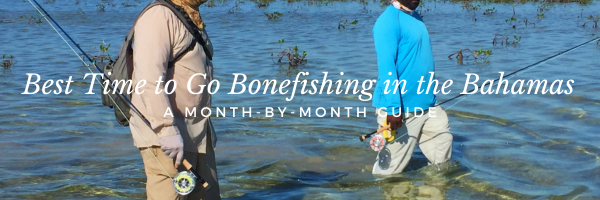
Bonefishing in the Bahamas is often described in terms of light—clear skies, bright flats, and the subtle flash of silver as a fish moves across the sand. But timing matters just as much as technique.
Understanding when to go can shape everything from water conditions to fish behavior. Whether you’re planning your first trip or refining your annual schedule, knowing what each season offers will help you make the most of your time on the flats.
Understanding Bahamas Bonefishing Seasons
Unlike many fisheries, the Bahamas offers year-round bonefishing. There’s no true “off-season,” but conditions shift throughout the year in ways that influence how and where you fish.
A few key factors drive these changes:
- Water temperature
- Wind patterns
- Tides and moon phases
- Fish movement between flats and deeper channels
The result is a fishery that rewards anglers who match their expectations—and techniques—to the season.
Winter (December–February): Clear Water, Technical Fishing
Winter brings some of the clearest water of the year, paired with cooler air temperatures and occasional cold fronts.
What to expect:
- Smaller schools and more selective fish
- Calm, glassy mornings between weather systems
- Increased sight-fishing opportunities
Tips for success:
- Use lighter leaders and smaller flies
- Slow your presentation—fish can be cautious
- Be ready to adjust plans around wind fronts
For anglers who enjoy precision and challenge, winter offers some of the most rewarding fishing.
Spring (March–May): Prime Conditions and Active Fish
Spring is widely considered one of the best times to bonefish in the Bahamas. Warming water temperatures bring fish onto the flats in greater numbers, and conditions tend to stabilize.
What to expect:
- Consistent weather patterns
- Increased fish activity and feeding
- Larger schools on expansive flats
Tips for success:
- Carry a range of fly patterns for varying depths
- Stay alert—fish are moving and opportunities come quickly
- Take advantage of longer daylight hours
For many experienced anglers, this is the season that balances action with ideal conditions.
Summer (June–August): Early Mornings and Big Opportunities
Summer introduces warmer water and longer days. While midday heat can slow things down, early mornings and late afternoons often produce excellent fishing.
What to expect:
- Larger, more aggressive fish
- Occasional afternoon thunderstorms
- Warm, shallow water on the flats
Tips for success:
- Fish early and late in the day
- Focus on deeper edges and channels during peak heat
- Stay hydrated and protect against sun exposure
This is a season where patience—and timing—pay off.
Fall (September–November): Quiet Flats and Consistent Action
Fall is often overlooked, but it offers a unique combination of lighter angling pressure and steady fishing. As temperatures begin to cool, fish remain active and accessible.
What to expect:
- Fewer anglers on the water
- Consistent tailing activity
- Transitional weather patterns
Tips for success:
- Watch for tailing fish on calm mornings
- Be adaptable—conditions can shift quickly
- Take advantage of quieter flats for uninterrupted sessions
For those seeking a more relaxed experience, fall delivers both solitude and opportunity.
How to Choose the Right Time for Your Trip
The “best” time ultimately depends on what you value most in your fishing experience.
- For technical sight-fishing: Winter
- For consistent action and ideal weather: Spring
- For larger fish and longer days: Summer
- For fewer crowds and steady fishing: Fall
Each season offers something distinct, and understanding those nuances allows you to plan with intention.
Final Thoughts
Bonefishing in the Bahamas isn’t defined by a single perfect month—it’s shaped by rhythm, light, and subtle seasonal shifts. The most memorable days often come from aligning your expectations with what the flats naturally offer.
At East End Lodge, these seasonal patterns aren’t just observed—they’re understood. Days on the water are guided by conditions, not calendars, allowing each outing to unfold with purpose and precision.