
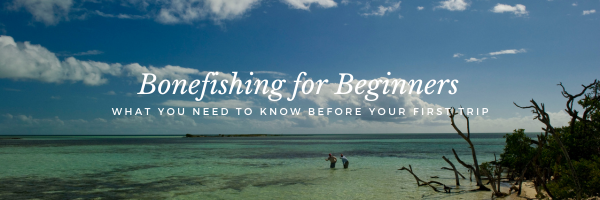
Bonefishing has a way of simplifying everything. You step onto the flats, the horizon opens, and suddenly the only thing that matters is spotting movement in shallow water.
For first-time anglers, the experience can feel both exciting and overwhelming. The good news is that bonefishing is highly approachable—with the right preparation, your first trip can be both productive and deeply rewarding.
What Is Bonefishing?
Bonefishing takes place on shallow, sandy flats where bonefish feed in clear water. These fish are fast, wary, and highly responsive to presentation.
Unlike offshore fishing, this is a visual, skill-based experience built around:
- Sight-casting to individual fish or schools
- Precise fly or lure placement
- Controlled, subtle movements
It’s less about volume and more about execution.
Essential Gear for Beginners
You don’t need an extensive setup to get started, but having the right basics makes a significant difference.
Recommended gear:
- 7–9 weight fly rod (or light spinning setup)
- Floating fly line
- 9–12 ft leader (10–12 lb test)
- Bonefish-specific flies or small artificial lures
- Polarized sunglasses (non-negotiable)
Keep it simple. Focus on reliability over variety.
Learning to Spot Bonefish
The biggest adjustment for beginners is learning how to see the fish before casting.
Look for:
- Subtle shadows moving across the bottom
- Nervous water or faint ripples
- Tailing fish with fins breaking the surface
Guides often describe bonefish as “ghosts”—once you train your eye, they become easier to identify.
Casting and Presentation Basics
Accuracy matters more than distance. A well-placed 30-foot cast will outperform a rushed 70-foot cast every time.
Key principles:
- Lead the fish, don’t cast directly on top of it
- Keep your movements smooth and controlled
- Strip the line in short, natural motions
If the fish reacts, stay calm. Most mistakes happen in the final seconds.
Common Beginner Mistakes
Avoiding a few common errors can dramatically improve your experience:
- Casting too quickly without confirming the target
- Moving too much on the platform or shoreline
- Stripping too aggressively
- Lifting the rod too early on the hook set
Bonefish reward patience. Slow everything down.
What to Expect on Your First Day
Your first outing will likely include a mix of learning and opportunity.
You may:
- Miss a few shots
- Misjudge distances
- Hook—and lose—your first fish
That’s part of the process. Progress happens quickly once the fundamentals click.
Final Thoughts
Bonefishing is one of the most approachable forms of saltwater angling, but it reveals its depth over time. The first trip is less about perfection and more about awareness—learning how to read water, light, and movement.
At East End Lodge, beginners are introduced to the flats with a focus on clarity and confidence. The goal isn’t just to catch fish—it’s to understand the experience in a way that stays with you long after the trip ends.